VR Microscopy Learning Environment
Universidad Técnica del Norte · 2022 · Unity
3D virtual reality environment for practicing microscopy in biology, built with Unity and Blender for Oculus Quest 2 using Design Thinking at UTN.
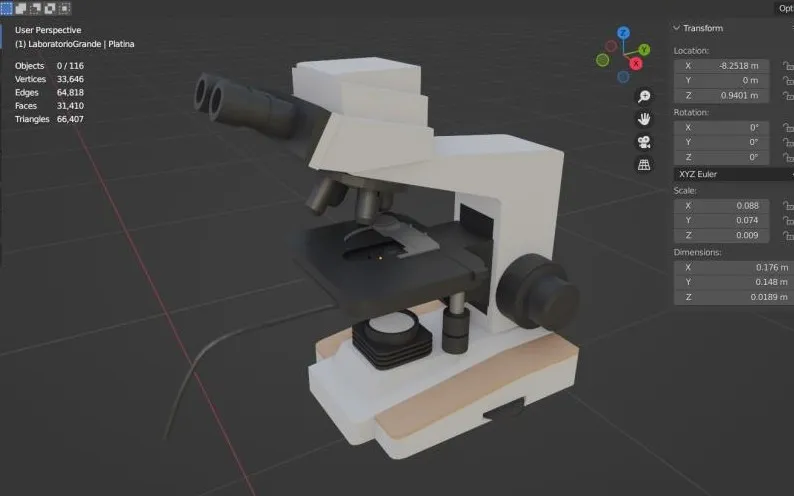
My undergraduate thesis in Computer Systems Engineering at Universidad Técnica del Norte (UTN), developed between November 2021 and October 2022.
The problem #
UTN has a single biology lab shared by the whole university, so students got few chances to practice microscopy. There weren’t enough microscopes for everyone, and during the pandemic access to the lab was restricted.
What I built #
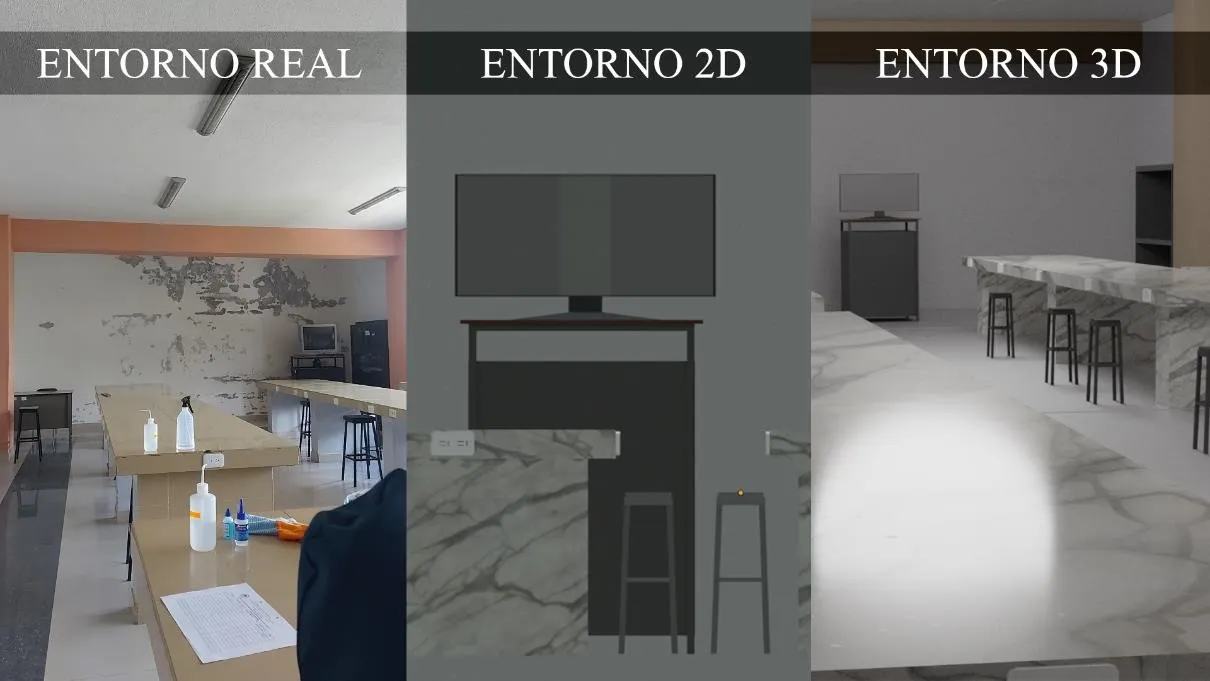
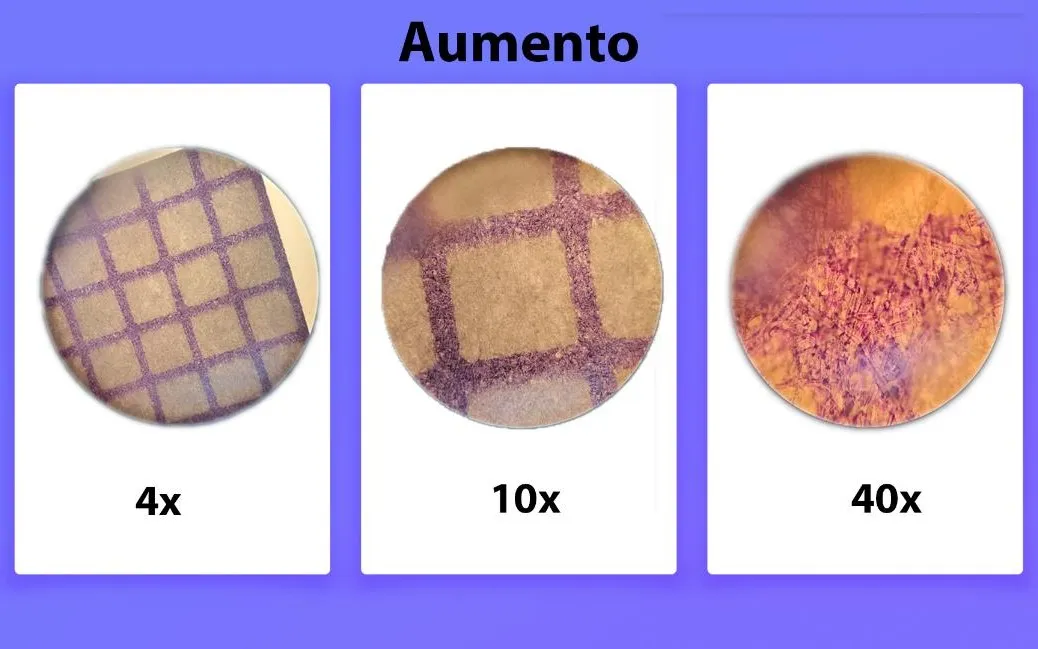
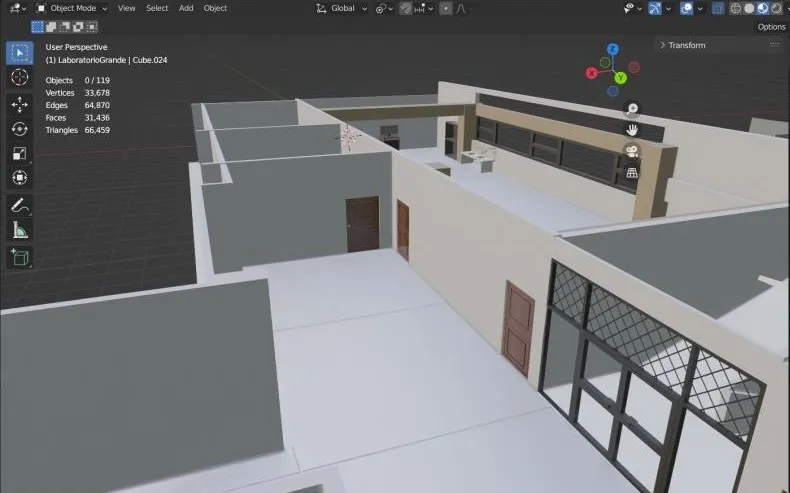
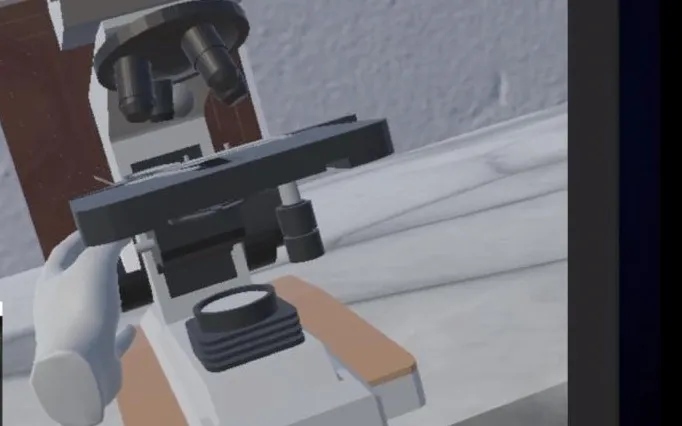
- I modeled UTN’s microscopy lab in Blender, inside and out, as close to the real one as I could, along with the microscope used most there and the tissue samples from the lab sessions.
- I programmed the interactions in Unity for the Oculus Quest 2: the power switch, focusing and moving the stage, switching objectives, the condenser that changes the light, and the sample shown in the eyepieces.
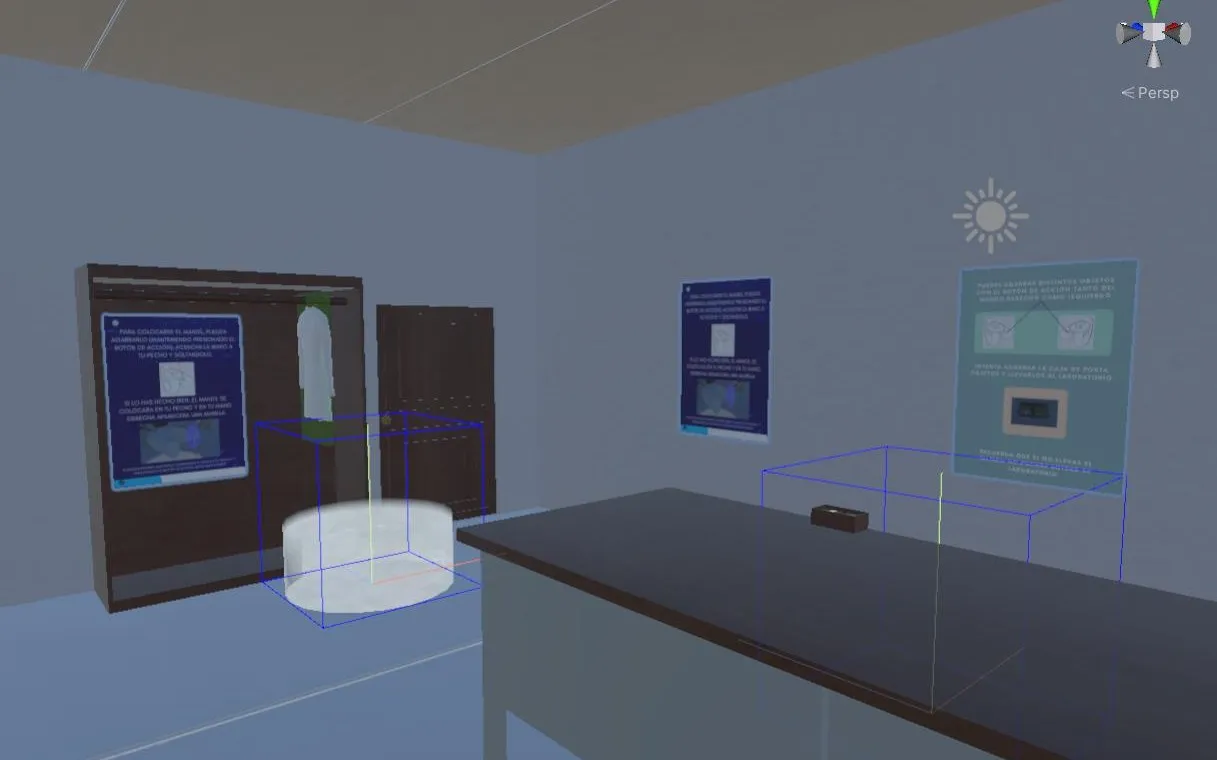
- I added details so the environment works without screens or manuals: putting on a lab coat before starting, a tablet with instructions for the microscope, tutorial signs inside the environment, and teleport points for moving around.
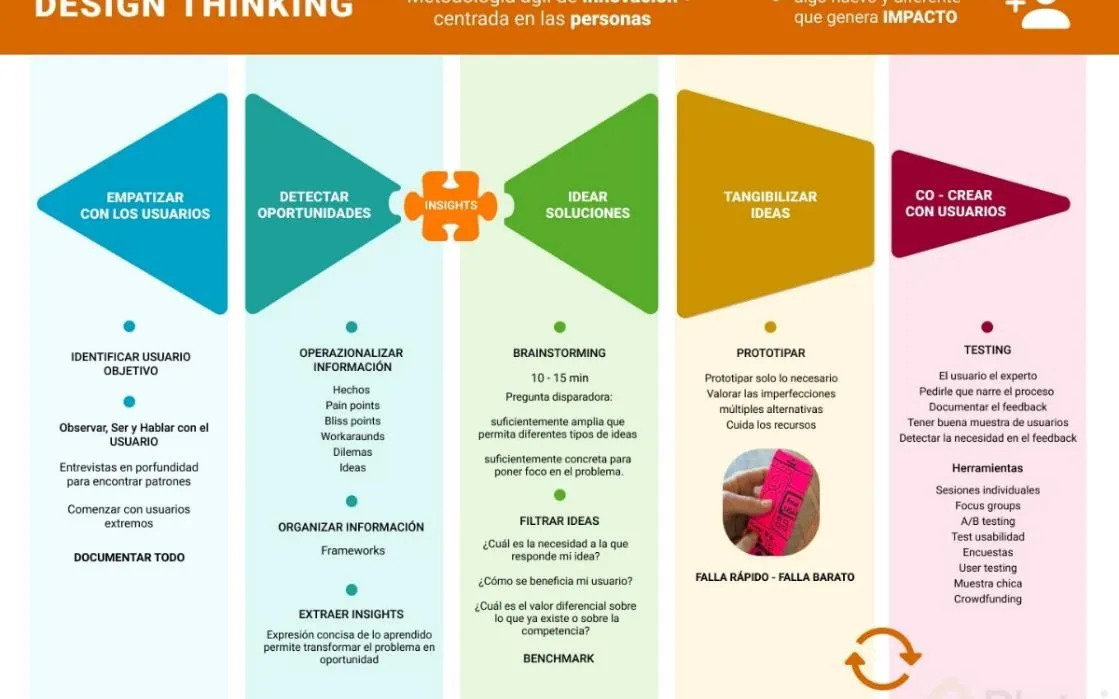
- I followed Design Thinking: I understood the problem with users, built a minimal alpha prototype with basic shapes, tested it with a satisfaction survey, and used that feedback to build the beta.
The result #
The alpha showed that features were still missing to meet the goal; the beta added them. I validated the solution with a survey of 12 end users and a chi-square test at 95% confidence, which supported the link between the tool and learning microscopy.
The environment lets students practice more without depending on lab space or physical equipment, and it reduces wear on the real microscopes. My main lesson was to involve users from the start: testing a simple prototype early showed me what was missing before I invested in detailed modeling.
Technologies
- Unity
- Blender
- VR
- Design Thinking